Keynote Speakers
* The title and abstract of the keynotes will be updated shortly. Subscribe for updates.
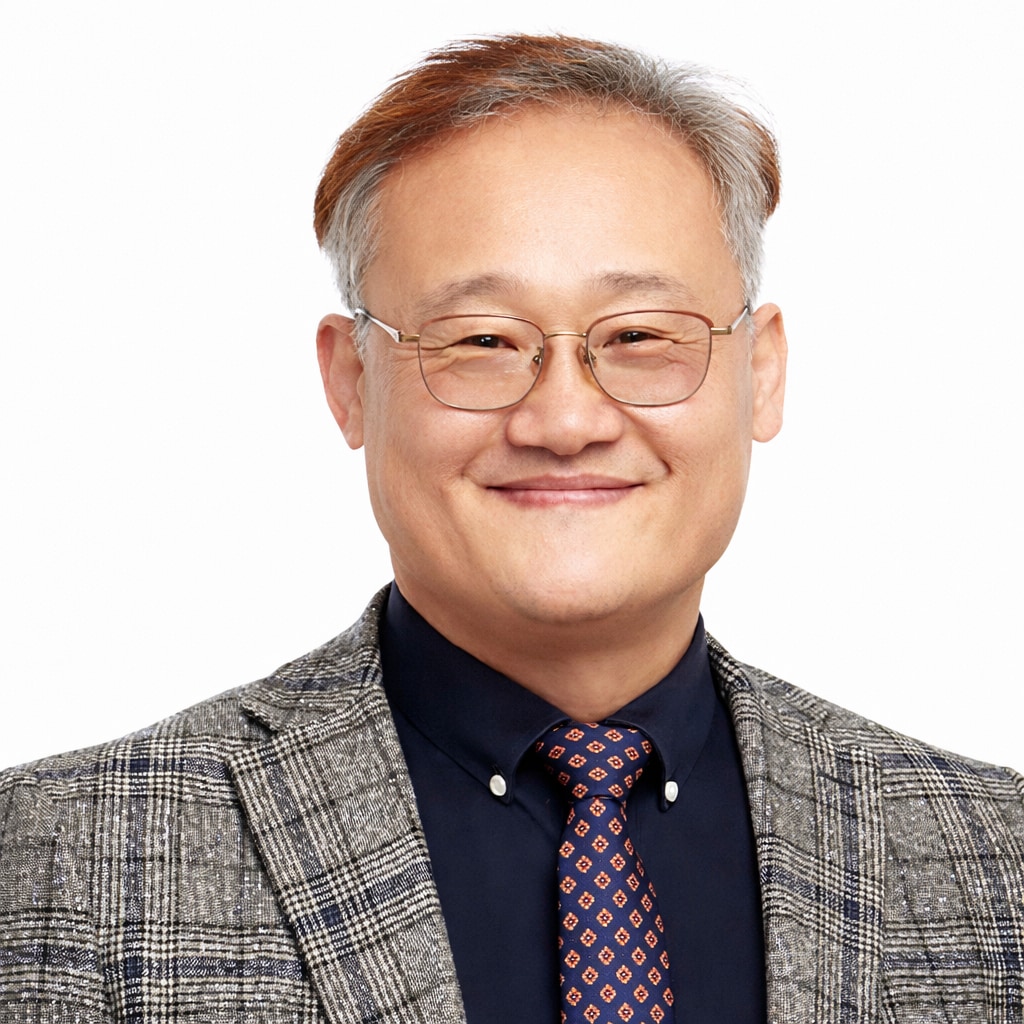
Prof. Ui Wook Hwang
Kyungpook National University, Republic of Korea
Professor Ui Wook Hwang is a professor in the Department of Biology at Teachers College, Kyungpook National University (KNU), Republic of Korea, and currently serves as Chair of the Department of Advanced Bioconvergence and Director of multiple national research institutes, including the Institute for Phylogenomics and Evolution. With a PhD in Animal Molecular Phylogenetics and Evolution from Seoul National University and academic training that includes research appointments in Germany and the United States, his scholarship spans molecular phylogenetics, evolutionary genomics, and bio-convergence sciences. Prof. Hwang has held numerous leadership roles at both national and international levels, including President of the Malacological Society of Korea, Director of the BK21 Four Center for Innovative One-Health Leaders, and Vice President of the International Junior Science Olympiad. His research contributions have been published in top-tier journals such as Nature, Molecular Biology and Evolution, and Nucleic Acids Research, reflecting his sustained impact on evolutionary biology and genomics research.
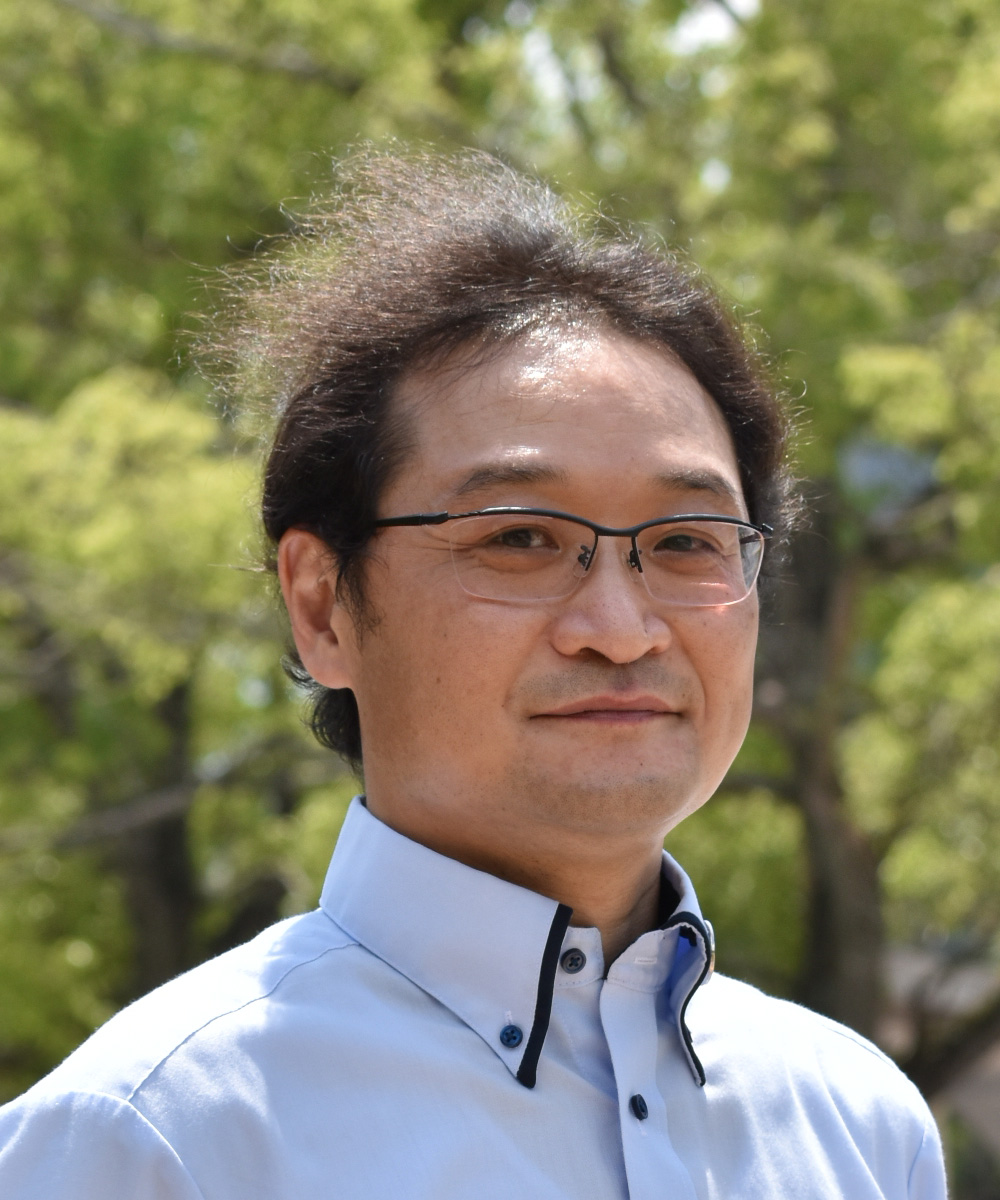
Prof. Kiyoyuki Ohshika
Aichi University of Education, Japan
Professor Kiyoyuki Ohshika is a professor in the Department of Science Education at Aichi University of Education in Japan. At the university, he teaches science education to both pre-service and in-service science teachers. In addition, as Director of the Regional Collaboration Center, he is engaged in a wide range of research activities and projects related to industry–academia–government collaboration. His research fields focus on science education, particularly biology education, and he has actively conducted instructional material development and curriculum research related to science education, environmental education, Education for Sustainable Development (ESD), and the Sustainable Development Goals (SDGs). In recent years, he has cooperated in the revision of high school biology curriculum in the Course of Study in Japan and has also participated in the planning and evaluation of the Super Science High School (SSH) project. Furthermore, he has been involved in interdisciplinary research on biodiversity, natural disasters, and energy, achieving a variety of outcomes. He currently serves as Vice President of the Society of Biological Sciences Education of Japan (SBSEJ) and as Executive Chair of the Asian Association for Biology Education (AABE).
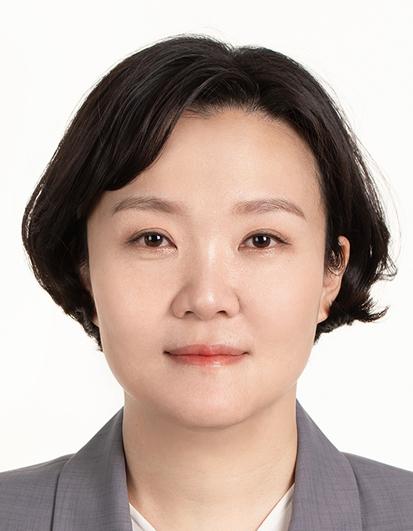
Dr. Myeonghai Kwak
National Institute of Biological Resources, Republic of Korea
Dr. Myounghai Kwak is the Director of the National Migratory Bird Research Center at the National Institute of Biological Resources (NIBR), under the Ministry of Climate, Environment and Energy of the Republic of Korea. She received her Ph.D. from the University of California, Davis, in 2008, and has since focused her work at NIBR on plant systematics and phylogenetics, as well as genetic analyses supporting the conservation and restoration of endangered species. She integrates classical taxonomic approaches with population genetic and genomic data to address evolutionary processes and to provide scientific evidence for biodiversity conservation and policy development. She has actively contributed to international biodiversity governance, participating as a member of the Korean delegation in various meetings and processes under the Convention on Biological Diversity (CBD), including international science–policy platforms related to biodiversity and ecosystem services (IPBES). She also serves as an expert member of the Ad Hoc Technical Expert Group on Digital Sequence Information under the CBD. Drawing on her professional experience, her presentation will address recent trends in biodiversity-related issues, Korea’s current policy and institutional responses, and the role of education from the perspective of biodiversity mainstreaming.